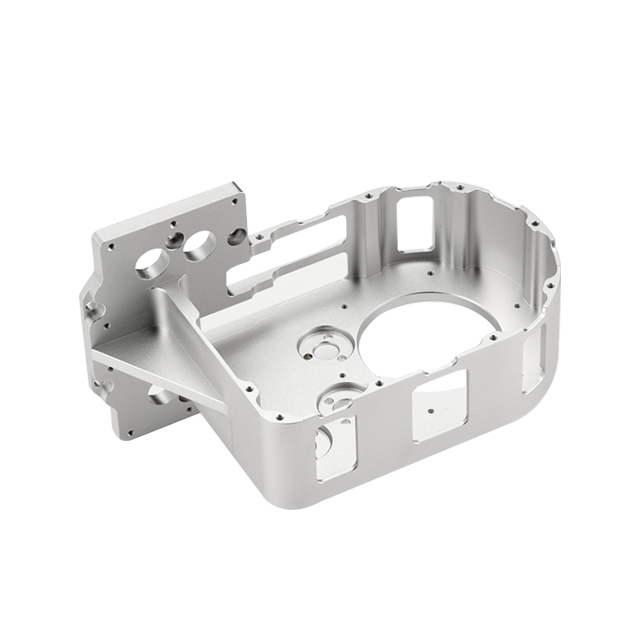
Plastic insert molding is a manufacturing process that combines plastic injection molding with the insertion of one or more materials into the mold cavity. This technique is widely used to create complex parts that require additional features or properties, such as metal inserts for added strength or electrical components for enhanced functionality.
What is plastic insert molding?
Plastic insert molding is a specialized form of injection molding that involves placing one or more pre-fabricated components, known as inserts, into the mold cavity before the molten plastic is injected. The inserts can be made from various materials, such as metals, ceramics, or other plastics, depending on the desired properties of the final product.
Once the inserts are in place, the plastic is injected into the mold and allowed to cool and solidify, creating a strong bond between the plastic and the inserts. This process allows for the creation of parts with integrated features, such as threaded holes, electrical contacts, or enhanced structural support.
Why use plastic insert molding?
Plastic insert molding offers several advantages over traditional plastic injection molding, making it an attractive option for many industries. Some of the key benefits of this process include:
Increased functionality
By incorporating inserts into the mold, manufacturers can create parts with built-in features that would be difficult or impossible to achieve with standard injection molding. This allows for the development of more complex and functional products, such as housings with embedded electronic components or parts with integrated fasteners.
Enhanced strength and durability
Inserting metal or other high-strength materials into the mold cavity can significantly improve the mechanical properties of the final product. This is particularly beneficial for parts that will be subjected to high loads or harsh operating conditions, such as automotive components or industrial equipment.
Reduced assembly time and costs
By integrating multiple components into a single molded part, manufacturers can streamline the assembly process and reduce the need for additional manufacturing steps. This not only saves time and labor costs but also minimizes the risk of assembly errors and improves overall product quality.
Improved aesthetics
Plastic insert molding allows for the creation of parts with smooth, seamless surfaces that can be easily customized with colors, textures, or finishes. This enables the production of visually appealing products that can better align with a company’s branding or design requirements.
Applications of plastic insert molding
Plastic insert molding is used in a wide range of industries and applications, from consumer electronics to automotive and medical devices. Some common uses for this manufacturing process include:
Automotive components
Insert molding is frequently used to produce parts such as sensor housings, threaded fasteners, and electrical connectors for vehicles. The integration of metal inserts can provide enhanced strength and durability, ensuring that these components can withstand the rigors of daily use and harsh environmental conditions.
Consumer electronics
Many electronic devices, such as smartphones and tablets, rely on insert molding to create parts with embedded antennas, connectors, or other electronic components. This allows for the development of slimmer, more compact devices with improved functionality and performance.
Medical devices
Plastic insert molding is widely used in the production of medical devices, such as drug delivery systems, diagnostic tools, and surgical instruments. The ability to incorporate metal or other biocompatible materials into the mold allows for the creation of parts with enhanced strength, precision, and reliability, which are critical for ensuring patient safety and effective treatment.
Industrial equipment
Insert molding is commonly used to produce parts for industrial equipment, such as machinery housings, gears, and bearings. The integration of metal inserts can significantly improve the mechanical properties of these components, making them more durable and capable of withstanding heavy loads and harsh operating conditions.
Factors to consider when choosing plastic insert molding
When considering plastic insert molding for your next project, there are several key factors to take into account to ensure that this manufacturing process is the best fit for your needs:
Material compatibility
Before proceeding with plastic insert molding, it is essential to evaluate the compatibility of the materials being used. The inserts and the plastic must be able to form a strong bond during the molding process to ensure the integrity and functionality of the final product. This may require the use of specific plastic grades or insert materials that are known to work well together.
Mold design
The design of the mold is a critical factor in the success of plastic insert molding. The mold must be designed to securely hold the inserts in place during the injection process, preventing them from shifting or becoming misaligned. Additionally, the mold should be designed to accommodate the specific geometry and features of the inserts, such as threads or grooves.
Production volume
Plastic insert molding is most cost-effective for high-volume production runs, as the initial investment in the mold and inserts can be significant. For low-volume projects, alternative manufacturing processes, such as traditional injection molding or machining, may be more suitable.
Lead time
The lead time for plastic insert molding can be longer than for standard injection molding, due to the additional steps involved in designing and producing the inserts. If your project has a tight deadline, it is essential to factor in the additional time required for the insert molding process when planning your production schedule.
Cost
Plastic insert molding can be more expensive than traditional injection molding, due to the additional costs associated with creating and integrating the inserts. However, the long-term cost savings associated with reduced assembly time, improved product quality, and enhanced functionality can often justify the higher upfront investment.
Conclusion
Plastic insert molding is a versatile and cost-effective manufacturing process that offers a wide range of benefits for industries such as automotive, consumer electronics, medical devices, and industrial equipment. By integrating one or more inserts into the mold cavity, manufacturers can create parts with enhanced functionality, strength, and aesthetics, while also reducing assembly time and costs.
When considering plastic insert molding for your next project, it is essential to evaluate factors such as material compatibility, mold design, production volume, lead time, and cost to ensure that this manufacturing process is the best fit for your needs. With careful planning and execution, plastic insert molding can be a powerful tool for creating high-quality, functional, and visually appealing products that meet the demands of today’s competitive market.


