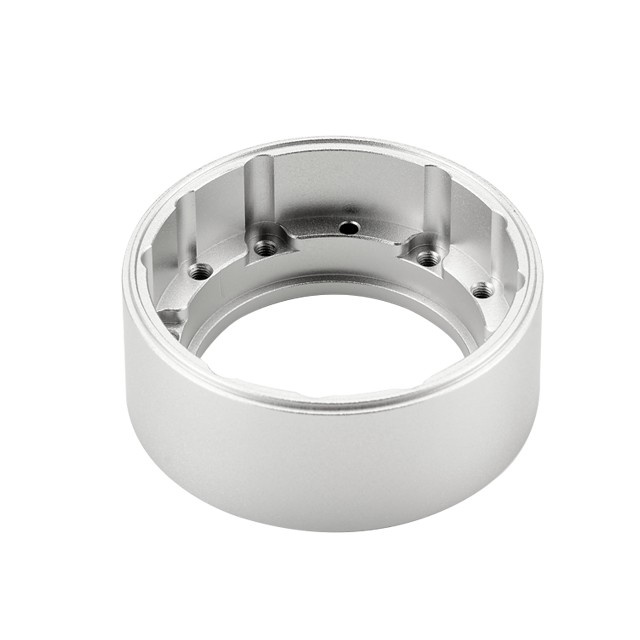
Plastic injection molding is a manufacturing process that involves injecting molten plastic into a mold to create a specific shape or part. This process is widely used in the production of plastic products due to its efficiency, precision, and cost-effectiveness. In this article, we will explore the various aspects of plastic injection molding, including its definition, working principle, advantages, and applications.
What is plastic injection molding?
Plastic injection molding is a manufacturing process used to produce plastic parts and products by injecting molten plastic into a mold cavity. The molten plastic is injected under high pressure into the mold, where it cools and solidifies to form the desired shape. This process is widely used in various industries, including automotive, consumer goods, electronics, and medical.
Working principle of plastic injection molding
The working principle of plastic injection molding involves the following steps:
Clamping: The mold consists of two halves, the stationary half and the movable half, which are clamped together by a clamping unit. The clamping force is applied to ensure that the mold remains closed during the injection and cooling phases.
Injection: The plastic material, in the form of small pellets or granules, is fed into a heated barrel where it is melted by the heat generated by the heaters and the mechanical energy of the rotating screw. The molten plastic is then injected into the mold cavity through a nozzle and a runner system.
Cooling: Once the molten plastic is injected into the mold cavity, it is allowed to cool and solidify. The cooling time depends on the size and complexity of the part, as well as the type of plastic material used.
Opening: After the plastic has cooled and solidified, the mold is opened by separating the two halves. The solidified plastic part is then ejected from the mold using an ejection system, which may consist of ejector pins or a plate.
Part removal: The finished plastic part is removed from the mold and can be further processed or assembled with other components.
Advantages of plastic injection molding
Plastic injection molding offers several advantages, including:
High production efficiency: Plastic injection molding is a highly automated process that allows for the rapid production of large quantities of identical parts. This results in high production efficiency and reduced manufacturing costs.
Precision and accuracy: The use of molds in the injection molding process ensures that the parts produced are highly accurate and have tight tolerances. This is especially important in applications where precision is critical, such as in the automotive and aerospace industries.
Design flexibility: Plastic injection molding allows for the production of complex and intricate shapes that would be difficult or impossible to achieve using other manufacturing methods. This design flexibility enables the creation of customized parts that meet specific requirements.
Material versatility: Plastic injection molding can be used with a wide range of plastic materials, including thermoplastics, thermosetting plastics, and elastomers. This versatility allows manufacturers to choose the most suitable material for their application.
Applications of plastic injection molding
Plastic injection molding is used in a wide range of industries and applications, including:
Automotive industry: Plastic injection molding is used to produce various automotive components, such as dashboards, bumpers, door panels, and interior trim parts. These parts are typically made from high-strength plastics that can withstand the rigors of automotive use.
Consumer goods: Plastic injection molding is used to manufacture a wide range of consumer products, including toys, kitchenware, electronics housings, and personal care products. The ability to produce complex shapes and designs makes it an ideal manufacturing process for consumer goods.
Medical devices: Plastic injection molding is used to produce medical devices and components, such as syringes, IV bags, surgical instruments, and drug delivery systems. The use of biocompatible plastics and the ability to produce sterile parts make it suitable for medical applications.
Industrial equipment: Plastic injection molding is used to produce various industrial components, such as gears, housings, enclosures, and connectors. The ability to produce parts with high precision and durability makes it suitable for industrial applications.
Conclusion
Plastic injection molding is a widely used manufacturing process that offers numerous advantages, including high production efficiency, precision, design flexibility, and material versatility. It is used in various industries, including automotive, consumer goods, medical, and industrial equipment, to produce a wide range of plastic parts and products. With advancements in technology and the increasing demand for customized plastic parts, plastic injection molding continues to be a key manufacturing process in the modern world.


